
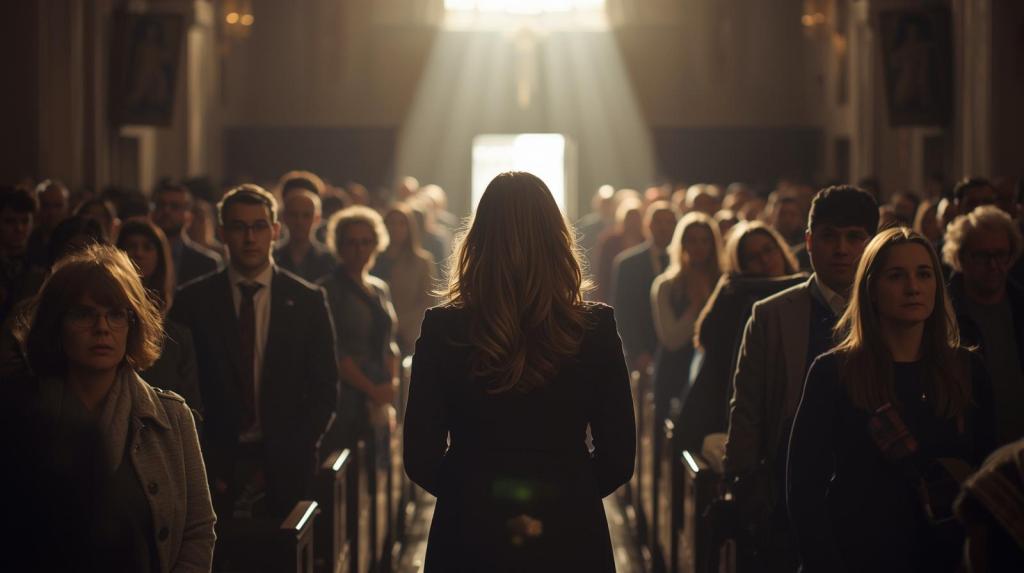
She felt the weight of their stares, each whisper a tiny sharp stone. It added to the burden she had already carried. The sanctuary, which she had hoped would be a refuge, suddenly felt as cold and hard. It felt just like the streets she knew all too well. It was not the police, or the shelter, or the memories that made her feel most alone in that moment. It was the judgment she saw in the eyes of the women. She was invisible and all too visible at the same time. A ghost
haunting a place that was supposed to be filled with grace.
As she stood there, paralyzed by their looks, a thought flickered in her mind,
“Maybe they’re right. Maybe I don’t belong here.” She started to turn, her
resolve to find a safe harbor crumbling. The door felt miles away, and the
judgmental glances felt like a physical wall blocking her escape.

She searched the room desperately, her eyes darting from face to face, but found no warmth. With every passing second, the feeling of being unwelcome intensified. It was too much. The harsh judgment of these churchgoers felt more exposed and rawer than anything she had faced on the streets. Out there, the world was what it was, a place of hard truths and survival. But here, in a place meant for refuge, their whispered accusations pierced her with a pain she had not anticipated. It mixed with her own deep-seated guilt and the hurt she carried, overwhelming her. A wave of dizziness washed over her, and her knees buckled.

Just as she was about to fall, two pairs of hands reached out and gently caught her. They were soft and reassuring, a stark contrast to the coldness she had felt. They were the hands of a young girl and her brother; they are youth ushers. Who had been standing quietly behind her the whole time. They guided her to a nearby seat, easing her down with a gentleness that surprised her. An older usher quickly came to help; his face etched with concern.
She was gently placed on the seat. Her own small island of quiet in a sea ofstares. The older usher knelt beside her, his face a landscape of deepconcern. He was studying her features, a look of profound familiarity in hiseyes, as if she were a long-lost photograph. He felt a deep-seated pull, a
nagging sensation that he was related to her in some distant, forgotten way. She, however, remained lost in her own turmoil. The gentle hands of the young ushers had broken through her daze for a moment. The whispers and the weight of the moment were too much.
Her world was a dizzying haze of shame and hurt. The hands flew to her face, not in recognition, but from an overwhelming, gut-wrenching agony. Tears streamed down her cheeks, a silent surrender to the pain that was on her, all at once.
The tension in the church was now different. It was not just the judgment of the women. It was something deeper, a strange atmosphere of concern and discomfort. Was this the grace she was promised? Or was this punishment, a twisted form of conviction?
The mystery of it all was wrapped up in the unfamiliar face of the kneeling usher. His presence only added to the weight. She thinks to herself, ” At least no one knows me here.” The thought, for now, is all she has to hold on to. “This is a place that I was told to come to isn’t it?” Her hands flew to her face, a silent scream of agony. Tears streamed
down her cheeks, a quiet surrender to the pain that was in her, all at once. She felt exposed and trapped. To get up and run now would be to confirm every single thought these people were having about her. All eyes were on her, and the whispering had stopped, replaced by a new, more dangerous tension.
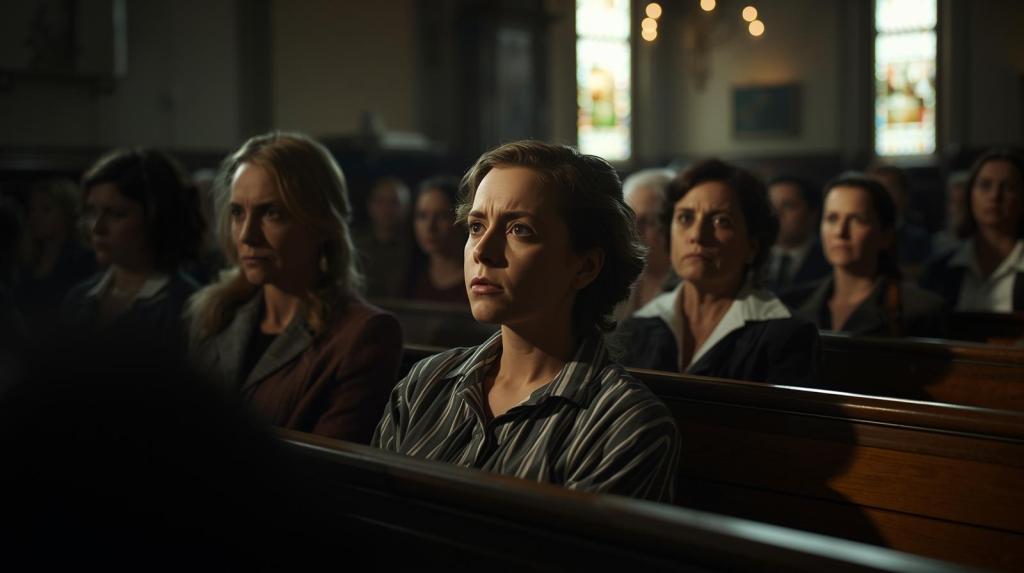
The women in the pews were no longer just judging her. Their pity, a cold and condescending thing, was now palpable. She could feel their thoughts like physical jabs: She’s here for attention. Looking for a handout. A pity party. Some were already rising from their seats, their expressions a mix of grim determination and self-righteous fervor. They saw a “broken” person. Without asking a single question, they were ready to lay hands on her. They wanted to pray the evil right out of her. It was all they knew.
She was not just unwelcome; she was a project. A case study in sin to be fixed. The weight of their scrutiny made her feel dirty. It was as if their eyes strip away what little dignity she had left. She felt attacked, a feeling that mixed with her own deep-seated shame.
Yet, in the midst of it all, she feel the gentle, steady hands of the young ushers. They had caught her. The older usher was still kneeling nearby, a quiet anchor in the storm of judgment.
Their silent presence was a soft counterpoint to the hostile air. She was a
spectacle, but she was not completely alone. In that tiny space of quiet kindness, a faint glimmer appeared. What she was looking for began to break through the dark.
“What does it mean to seek grace in a place that mirrors your pain—and how do we recognize the hands that truly hold us?”
Stay Tune for part 2..
Pt. 2

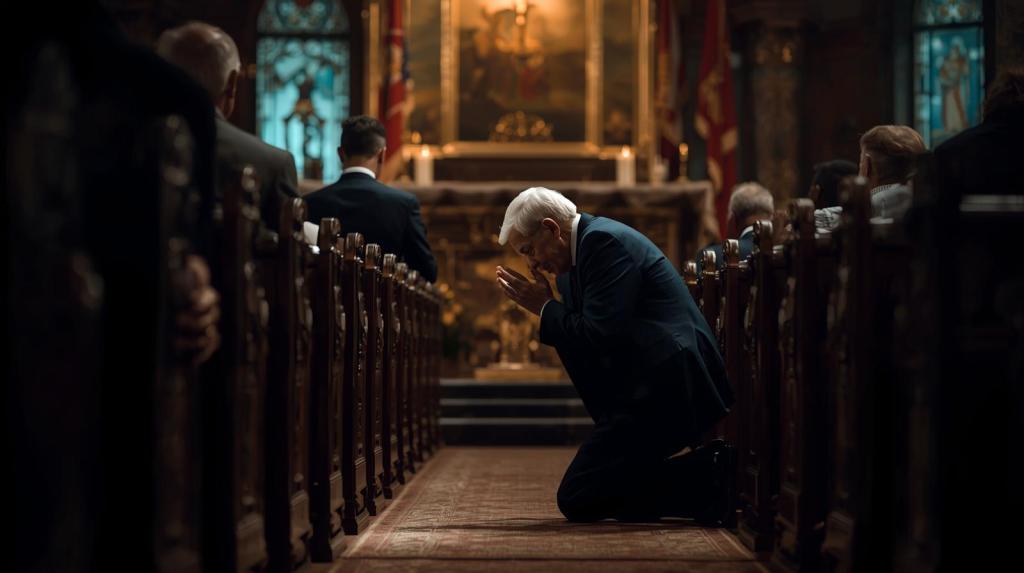
He knelt beside her, a gentle hand on her shoulder, feeling the shiver that ran through her. Her hands were on her face. He didn’t need to see her full features to feel it. It was that gut-deep ache of knowing. It was a pain he knew well, a familiar ghost that had haunted his own life for years.
He saw the faces of the women in the pews. Their eyes were sharp with judgment. Their mouths were tight with ready-made prayers. He knew what they were thinking. He had lived under that scrutiny, a long-time church member with his own troubled past. For years, he was a man lost in a bottle. He was an abusive husband and father. His brokenness had driven his wife away. It had fractured his relationship with his children.
But the worst judgment was not from them—it was from himself. Despite being sober for over fifteen years, he still felt the shame of his relapses. The weight of his past failures seemed like a heavy cloak he can’t shed. He suffered from his own judgments, and in this quiet, broken woman, he saw a reflection of that same pain. He was not one of them, not really. He was her.

He searched his memory, rifling through old family photos, a thread he could not grasp, and it left him breathless. It was why he had knelt, not to cast out some supposed demon, but to ground himself in something real. To hold on to a shred of humanity while the rest of the world looked on with contempt. The tears that slipped through her fingers felt like a personal failure. It was a tragedy he had somehow been a part of. He did not know why. He knew this much: this was not a show for the church. This wasn’t a problem to be solved with a quick prayer. This was a soul in deep need. He felt in his very bones that he, of all people, was the only one who truly see her. The question was, what was he going to do about it?
The young usher girl watched as the older usher retreated, leaving Grace isolated in the pew. She felt a sharp, hollow ache in her chest, a familiar feeling that had been her constant companion. Her mother’s unwavering belief in a rigid set of rules filled her with a familiar dread. The girl loved her mother, but she felt a chasm between them that a lifetime of prayer would never bridge. Her own upbringing had been, in every other way, perfectly normal. She was a good student with a single mother who had protected her from all the dangers of the world. But her mother had never taught her about sexuality. Her lessons were only about God, Jesus, the church, and prayer.
This spiritual foundation left her completely unprepared for what happened at school. She was exposed to sex by another student, a transgender girl, and the experience left her profoundly confused. It didn’t fit into any of the neat categories her mother had taught her. This confusion became the catalyst for her secret life online. Where she searched for answers and for a sense of herself.

She saw Grace’s pain and felt a strange kinship—a shared feeling of being a secret. The whispers in the church were the same whispers she imagined about herself if anyone ever found out. But Grace’s secret felt heavy, old, and full of pain. The girl’s secret was new, confusing, and full of a quiet hope to understand herself.
She had no idea that Grace was a survivor. No idea that the world she was entering online was the same one that had nearly destroyed Grace. She looked for connection there. She only knew that in this church full of judgment, a stranger existed. In a single moment, they made her feel less alone. And that felt like its own kind of grace.
The mother saw the young woman collapse in the pew and felt a surge of purpose. This was exactly why God had called her here. Not to sit and watch, but to act. Her own past was a fractured memory of an abusive father and a scared, silent mother. It had taught her to find her strength in God alone. It was the only way she had survived. In this broken young woman, she saw a chance to fix a problem she had no words for. It was also a chance to pray away a darkness she was too afraid to confront in her own life.

For seven years, she had been a model member. Her position as a future deaconess was a testament to her steadfast faith. She had to be a pillar of strength, a living example that prayer solve any problem. It was the only truth she allowed herself to believe. She knew how the women in the pews talked about each other. She chose to ignore it. She chose to rise above it. She told herself that their whispers about her “gay daughter” were just a test of her faith. Her son’s clean-cut life was proof that she was a good mother. She clung to this belief. She was incapable of seeing her daughter’s quiet turmoil. She did not recognize her own desperate need for help.
She stepped ahead, her hands outstretched, a prayer already forming on her lips. She saw Grace as a spiritual project, a soul to be saved, not a person to be known. She was a kind woman.
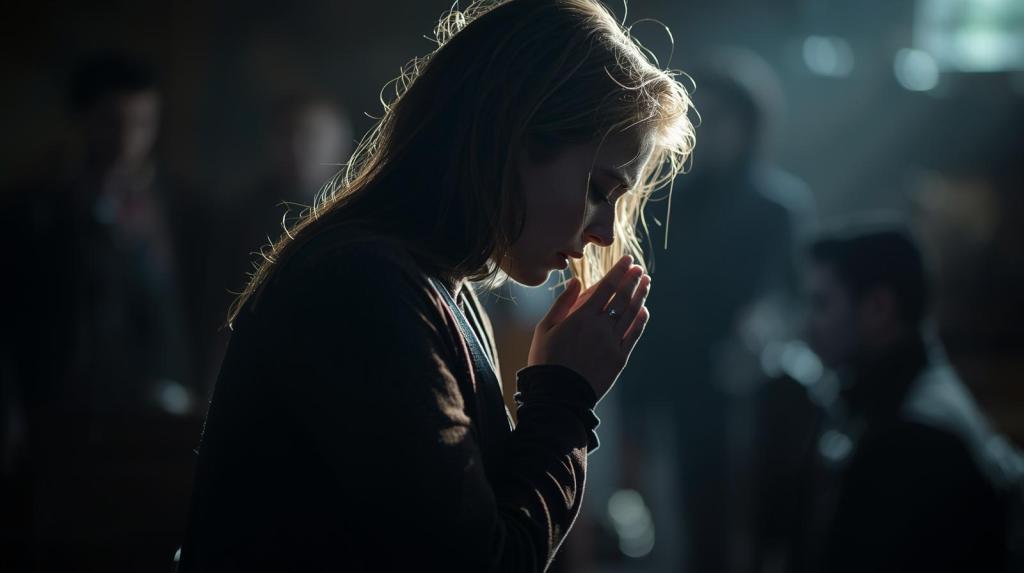
However, she was so naive that she couldn’t see that prayer was her shield. It hid her from her own pain. She couldn’t see that her prayers were a way to silence the questions she was too afraid to ask. As she moved toward Grace, she was not just offering help. She provided a solution that had nothing to do with Grace’s actual needs. She was running from herself, offering a ritual where a human connection was needed most. This was not grace; this was her own desperate act of control.
In the story, the man, the young girl, and the mother all react to Grace’s pain based on their own pasts. When you witness someone else’s struggle, do you tend to respond with empathy because you’ve been there yourself, with judgment from a place of fear, or with a desire to “fix” them? 🙏 How can you ask God to guide you to see others through His eyes, with pure love and compassion, rather than through the lens of your own past?


Don’t Worry About Burning Ur Lips on This Tea