
Why Your Healing Disrupts Their Narrative

There is a specific kind of silence that follows a success story—not the silence of awe, but the silence of a disrupted expectation. When a person survives the unsurvivable the homelessness, abuse, and systemic neglect as a child, the world instinctively assigns them a role. It expects them to remain a “survivor” in the sense that they are forever recovering, forever reaching, and forever indebted to anyone who offers a hand.
But what happens when that survivor stops reaching up and starts standing firm? What happens when the child who was left alone in the streets becomes a professional with a Master’s degree, a foundation, and a seat at the same table as those who once looked down on them?
As it is written, “The stone the builders rejected has become the cornerstone” (Psalm 118:22). The very person society overlooked is often the one God positions as the foundation.
1. The Debt of the Deserted: When Absence Becomes Expectation

The most complex sting often comes from those who were there during the suffering—or rather, those who should have been.
When a child is facing hunger and trafficking alone, many people in their orbit are absent. Yet, when that child grows into a woman who has transmuted that pain into a professional calling, those same people often return. They don’t return with an apology; they return with an expectation. They want the fruit of a tree they never watered.
When she helps them now, she does so with the wisdom of a coach and the boundaries of a leader. She helps them with what they need, not what they want. This often causes a deep, irrational anger in them. Their frustration is a shield against their own guilt; they want her to be that “needy child” again because that role didn’t require them to respect her. They struggle with the reality of Galatians 6:7: “A man reaps what he sows.” They sowed absence, yet they are frustrated that they cannot reap total access.
2. The “Anointed” Ego and the Peer Plateau

Then there are the newcomers—the ones who meet the survivor today. They hear the “stats” of her past and immediately prepare a pedestal for themselves. They come into the room ready to be a mentor or a savior to the “broken” person they’ve heard about.
But when they walk through the door, they don’t find a project. They find a peer.
They realize she is on the same plateau. She isn’t looking for a hand up; she is looking them in the eye. For those who believe their position in life is “anointed” or inherently superior, this is an insult. They are offended by her lack of “need.” They feel slighted because she didn’t ask for their permission to be powerful.
They forget that “God is no respecter of persons” (Acts 10:34). He does not grant wisdom or authority based on who had the easiest start, but on who endured the fire. When she doesn’t play the part of the subordinate, they label her as “difficult.” In reality, she is simply walking in the authority God provided when man did not.
Standing Firm on the Plateau
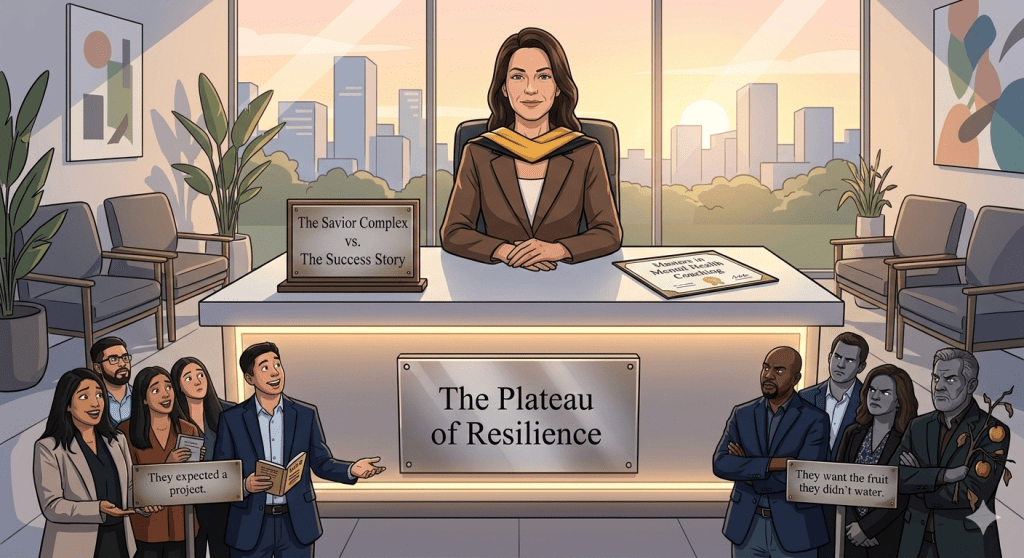
To be a leader who has risen from the depths is to be a person who constantly disrupts other people’s comfort zones.
- To the old guard: You are a reminder of what they didn’t do.
- To the new guard: You are a reminder that they aren’t the only ones with a “calling.”
It is frustrating for a leader to be the target of this anger, especially when they spent their childhood never bothering anyone, even while they were starving. But the truth is this: That frustration is the ultimate evidence of transformation. As Isaiah 61:3 promises, He gives “beauty for ashes, the oil of joy for mourning, the garment of praise for the spirit of heaviness.” When you are wearing that garment of praise and professional excellence, those who only knew your “ashes” won’t recognize you—and they might not like the change.
We don’t survive the streets to spend the rest of our lives managing the egos of people who can’t handle our strength. A survivor is not a “miracle” to be gawked at; they are a professional who earned their place. If equality offends, let them stay offended. There is a kingdom to build, and no permission is required to lay the bricks.
Keywords & Core Themes
- Primary Focus: Professional Mental Health Coaching, Survivor to Success, Leadership Boundaries, Trauma-Informed Authority.
- Key Concepts: The Peer Plateau, The Debt of the Deserted, Savior Complex, Spiritual Transformation.
- Scripture References: Psalm 118:22, Galatians 6:7, Acts 10:34, Isaiah 61:3.
Join the Movement

The journey from the streets to the plateau of resilience is not one traveled by many, but it is the foundation upon which we build the future. At the Blue Bag Foundation Inc., we believe in transmuting pain into power and ensuring that the youth of today have safety and advocacy.
Make an impact when you donate to support Blue Bag Foundation Inc..https://www.paypal.com/fundraiser/charity/5136481
https://www.bluebagfoundation.org/
About Jessica Nevith
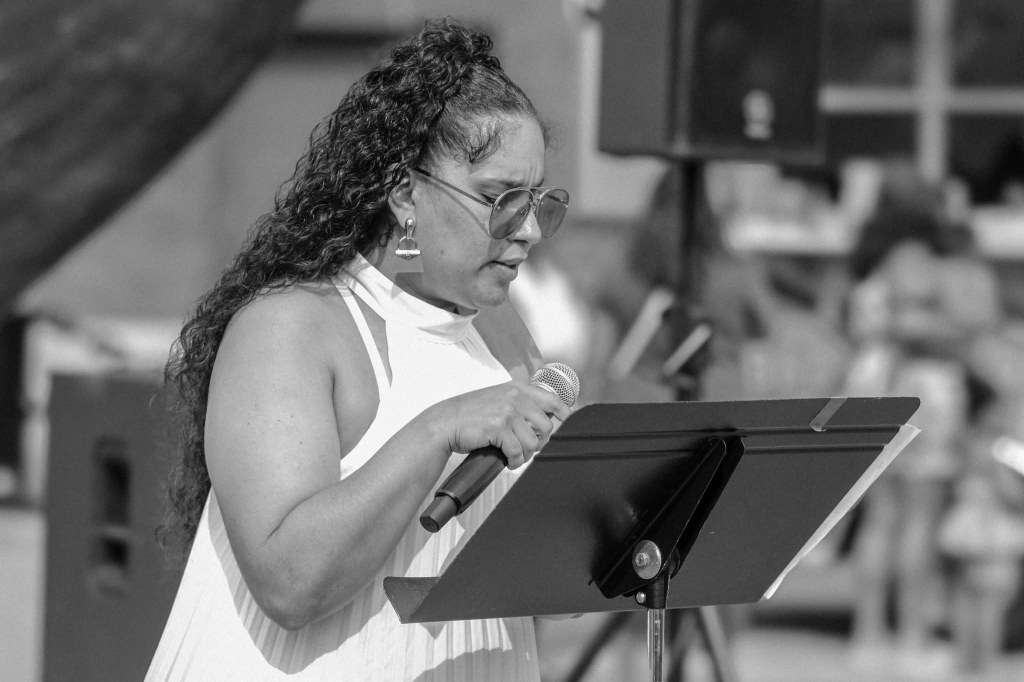
Jessica Nevith is a licensed Mental Health Coach, Notary Public, and the Founder of Blue Bag Foundation Inc. Holding a Master’s degree in mental health coaching for youth and peer-to-peer support, she is a dedicated writer and advocate whose work centers on personal ethics and life dynamics. As a mother of nine and a survivor of extreme childhood adversity, Jessica uses her “words like clay” to mold narratives of truth, accountability, and empowerment.

Don’t Worry About Burning Ur Lips on This Tea