
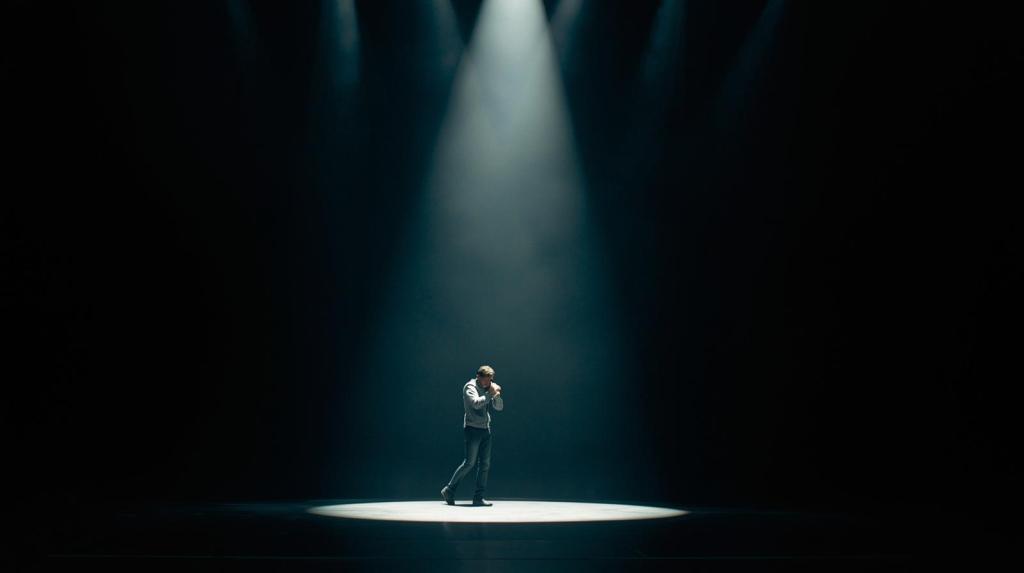
We’ve all seen it: the awkward, overly dramatic public prayer that makes you wonder if they’re trying to talk to God or audition for a role. And let’s not even start on the prayer list for ‘more money’ and ‘a bigger house.’ It brings up a genuine question: Is there a theological line between bringing God your needs and just being selfish? Today, we’re sipping the tea on what the Bible actually says about praying, and whether your intentions matter more than your requests.
The truth is, the theological principles of prayer give us a clear warning about these grand gestures. It’s not about what you ask for; it’s about why you’re asking.
The Divine Line: Motive Over Material
In Christian theology, prayer is fundamentally an act of dependence and submission, not a cosmic ordering system for luxuries. The Bible creates a sharp distinction that reveals the heart’s true intent:
1. The Need vs. The Greed Principle
- The Go-Ahead: Jesus taught us to pray for “our daily bread.” This legitimizes asking God for all of our needs—stable housing, reliable work, or funds to pay bills. God cares about your entire life, even the material struggles.
- The Righteous Heart: “Lord, please help me get a reliable car so I can get to work and provide for my family.” (This is trust.)
- The Warning: The Apostle James warns that people “do not receive because you ask with wrong motives, that you may spend what you get on your pleasures.” Asking for extravagance just to boast, show off, or accumulate unnecessary comfort is where prayer becomes sin.
- The Hypocritical Heart: “Lord, please win me the lottery so I can buy a mansion and finally show everyone I’ve made it.” (This is self-gratification.)
The Performance vs. The Presence

This distinction is never clearer than in public prayer. Jesus’ strongest condemnation wasn’t against where people prayed, but who they were playing to.
2. The Audience Principle
| The Vicious Performance (Condemned) | The Virtuous Presence (Encouraged) |
|---|---|
| Motive: To be seen and praised by men (Matthew 6:5). The prayer is a show designed to look holy, humble, or eloquent. | Motive: To talk to the Father who is in secret. The goal is genuine communion, regardless of who is listening. |
| The Feel: It makes the person praying look good, but often closes the door on others. Listeners feel:<br>— Unworthy/Inadequate: “My simple prayer sounds childish compared to that.”<br>— Excluded: “I’m clearly not capable of that level of devotion.”<br>— Judged: “I must not be a good Christian because I only pray about my basic needs.” | The Feel: It makes God look good (faithful, merciful, powerful), and opens the door for others. Listeners feel encouraged, unified, and respected, knowing the same access is available to them. |
When you hear a prayer that uses overly complex language, lasts for five minutes before a single bite of food is taken, or is specifically tailored to remind everyone of the speaker’s superior devotion, you are likely witnessing a performance.
As Jesus said, the hypocrite has “received their reward in full”—the fleeting attention of the crowd. They get the applause, but they miss out on the answer
The Importance of Standing Alone

Almost every holy encounter that results in radical personal transformation in the Bible happens when the person is alone with God. This is the ultimate spiritual contrast to the desire for a public spectacle.
| Biblical Example of Solitary Prayer | Lesson in Privacy |
|---|---|
| Hannah’s Fervent Grief (1 Samuel 1:13) | Hannah was praying silently for a child, only her lips moving. True devotion is often so private and sincere that it’s mistaken by observers. |
| Job’s Daily Sacrifice (Job 1:5) | Job’s consistent, private, morning devotion and intercessory sacrifice for his children was done regularly. True holiness is built on consistent, unobserved care for others. |
| Daniel in his Chamber (Dan. 6:10) | Daniel’s private, three-times-daily routine of prayer was maintained despite public threats. The conversation was intimate and directed only toward God. |
| Elijah’s Retreat (1 Kings 19:8-12) | Elijah was met by God in the “still small voice” while hiding in a cave. God’s clearest revelation happens in quiet solitude. |
| Jacob Wrestling at Jabbok (Gen. 32:24) | Jacob had to be “left alone” to struggle with God and his identity. This kind of spiritual wrestling is too raw and desperate for an audience. |
| Jesus in Gethsemane (Matt. 26:39) | Jesus took the disciples with him but then “withdrew a little further” to pray. The submission of “not my will, but yours” was a private conversation. |
These examples confirm that the most authentic and transformative prayers are not the ones performed for the benefit of observers, but the ones reserved for the presence of God alone.
The Ultimate Contrast: Prayer in One Accord

The only thing more profound than a genuine prayer offered in secret is a prayer offered publicly, but in one accord as the body of Christ.
When a community comes together, unified by genuine humility and a desire for God’s will, it is the most sacred and humbling thing to witness and take part in. This kind of corporate prayer is the opposite of a performance; it’s a collective act of spiritual surrender. It is what the early church modeled in Acts. However, precisely because it requires such deep, shared sincerity and submission, it often doesn’t happen often. It’s a rare blessing.
Final Sip of Tea: Pray for His Will

Theological principle isn’t complicated: God desires a real relationship, not a religious ritual.
The highest form of prayer is to follow the model Christ gave us: We should pray for His understanding and all things that are His Will.
If your heart’s primary desire is to glorify God and seek His will, you can feel free to bring every detail of your life—big or small, essential or desired—to Him. But the moment prayer becomes a means to secure your own ego or establish status, it ceases to be prayer and becomes mere “God’Sip.”
So, take a moment to reflect: When you close your eyes to pray, are you focused on the depth of the conversation, or the perceived height of your devotion? That’s the tea.
Hi, I have reblogged you to my site at later-life.blog. Name is Jacob.
Thank you. Just thank you. I needed to hear that.
Amen, so good. We need to be truthful about the pain, not deny it. Sadly, a lot of church teaching…
what a powerful testimony God bless
about a powerful testimony God bless


Don’t Worry About Burning Ur Lips on This Tea